Routine colorectal cancer screening is an important part of early detection
because many people have no symptoms. The most widely recommended preventive
test to screen for colorectal cancer is a lower endoscopy, also known
as a colonoscopy.
What happens during a colonoscopy?
For this procedure, an endoscope, a thin, flexible tube with a small video
camera, is used to examine the internal lining of the rectum and colon
(large intestine).
A colonoscopy can find colorectal growths, or polyps, so they can be removed
before they become cancerous.
When are colonoscopies recommended?
For those at average risk for colorectal cancer, a colonoscopy is recommended
every 10 years beginning at age 45.
Colonoscopy may also be recommended to evaluate for symptoms and treat
some problems in the colon or rectum.
Who performs colonoscopy?
Several Valley Health specialists including gastroenterologists and general
surgeons perform colonoscopies.
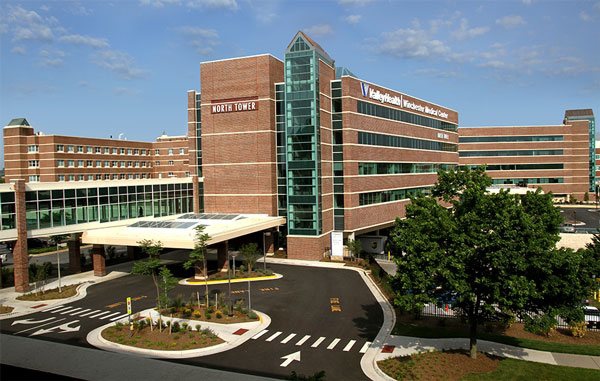
Screening colonoscopies are performed at the following Valley Health hospitals:
If you are age 45 or older, discuss your personal colorectal cancer prevention
strategy with your primary care provider. Anyone of any age who is experiencing
symptoms of colorectal cancer should consult their primary care provider
and request a referral for screening.